Category: Gaming

  • Cronos: The New Dawn’s photo mode separates framing from the finished image’s appearance

    Cronos: The New Dawn’s photo mode separates framing from the finished image’s appearance

    Camera settings handle the view; exposure, bloom, grain, and other effects alter how that view is presented.

    A scene in Cronos: The New Dawn can be composed and then given a different visual treatment. Its photo mode provides adjustable camera settings alongside controls affecting brightness, contrast, and the texture of the resulting picture. Bloober Team’s description of camera settings.

    Bloober Team lists exposure, contrast, and bloom among those controls. Film grain and color fringing provide further changes to the image’s appearance, with additional effects and stickers available. The subject may be a character or part of the game environment. Bloober Team’s detailed photo-mode controls and update notes.
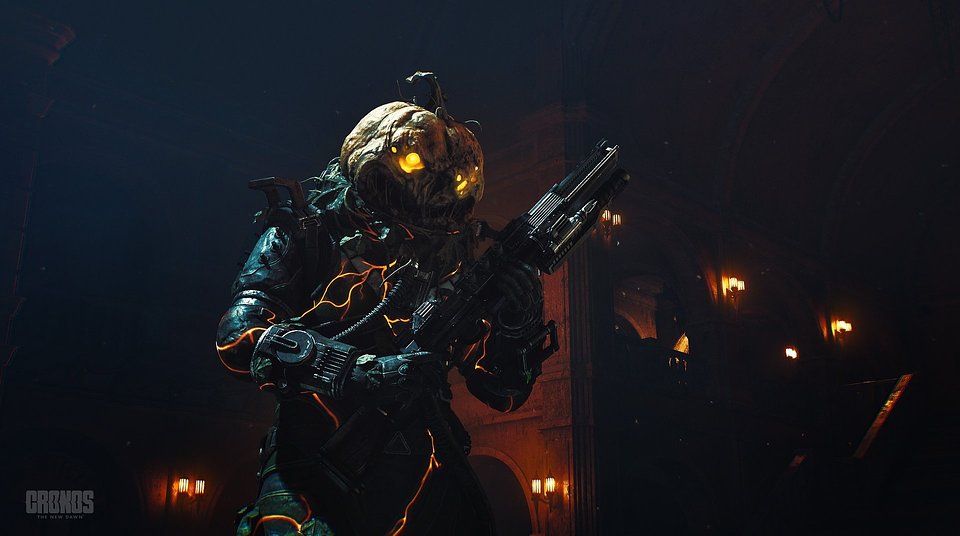
    An armored character with a glowing pumpkin head holds a weapon inside a dim building.
    The Pumpkin Head skin in Cronos: The New Dawn. Official photo-mode promotional image courtesy of Bloober Team. Image source.

    The Pumpkin Head skin adds another variable by changing the character’s appearance before the shot. The developer places that option in the game’s Extras menu. Its official promotional image shows the armored figure with a glowing, carved-looking pumpkin head.

    Photo mode is included in a free update for owners of the game on PC and consoles. The same update contains cutscene-skipping options and HDR balancing adjustments, which are separate from composing a photograph. Bloober Team’s description of camera settings. Bloober Team’s detailed photo-mode controls and update notes.
  • Escape from Playtime makes the factory a source of both supplies and hidden records

    Escape from Playtime makes the factory a source of both supplies and hidden records

    Scavenging serves a building project, while notes and recovered tapes carry information about the place supplying its materials.

    The objects in Escape from Playtime serve two different purposes. Players gather materials for a building project directed by a mysterious voice, while records found in the factory offer information about the place and its history. Mob Entertainment’s description of the scavenging premise.

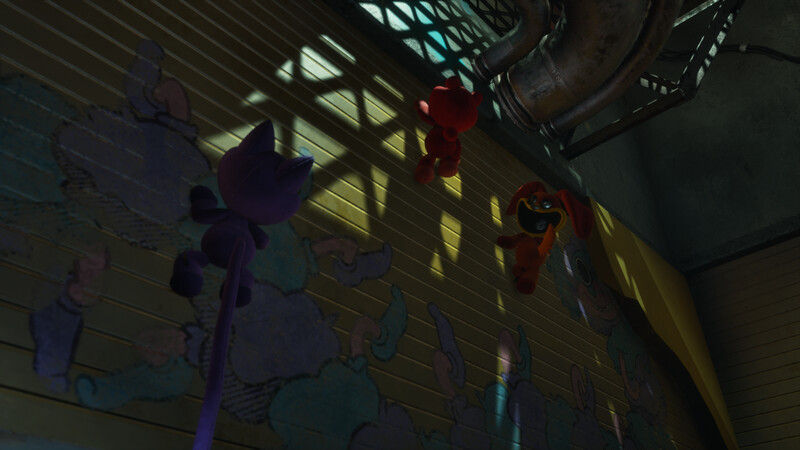
    Three small toy characters cling to a factory wall below exposed pipes.
    Escape from Playtime. Official press screenshot courtesy of Mob Entertainment. Image source.

    Mob Entertainment places players in the roles of Smiling Critters, moving through an abandoned Playtime Co. facility. The building project promises a route out, but the identity and intentions of the voice giving instructions remain part of the premise. The factory’s changing layout alters the spaces searched on successive runs.

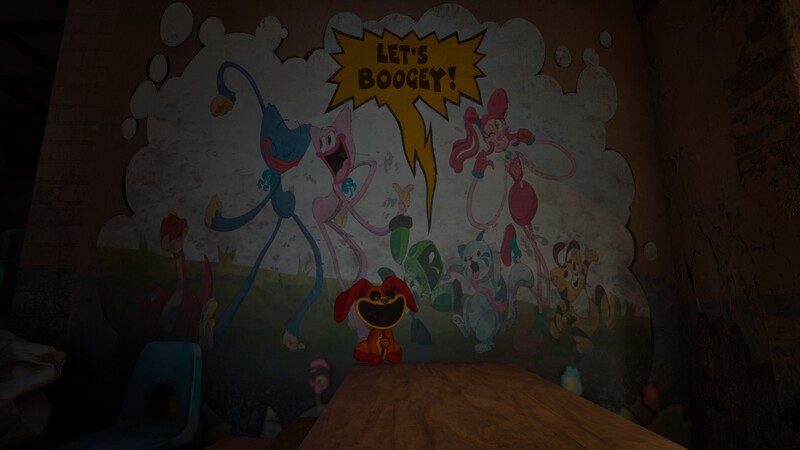
    An orange toy character stands before a faded mural of colorful toys.
    Escape from Playtime. Official press screenshot courtesy of Mob Entertainment. Image source.

    The October 28 patch gives that search several kinds of evidence: twelve notes, posters with writing on them, and VHS tapes. The tapes reveal their lore after being returned to the Perm-A-Lounge, so discovering one and accessing its information are separate steps. Mob Entertainment’s official October patch notes.

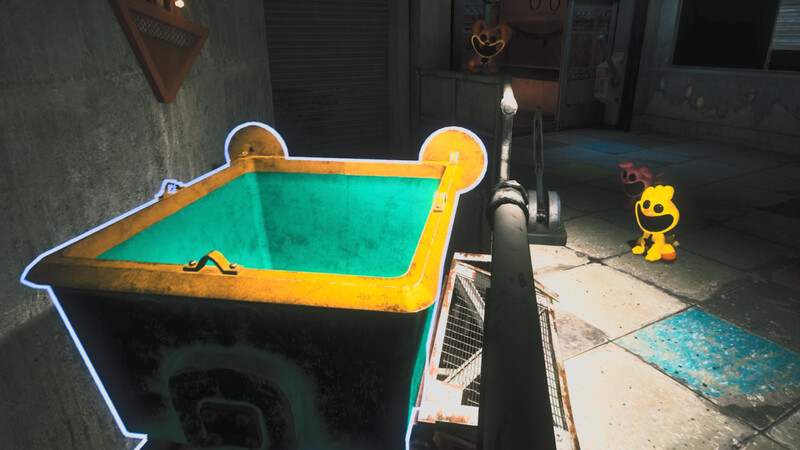
    A yellow-edged collection cart fills the foreground while small toy characters stand nearby.
    Escape from Playtime. Official press screenshot courtesy of Mob Entertainment. Image source.

    The work itself also depends on the group. Each shift’s quota scales with the number of players in the lobby. Public lobbies and Quickmatch provide ways to assemble that group, and the host can remove players from a match.

    Together, these documented systems give the same expedition practical and narrative objectives: return with enough resources to continue the project and recover records that explain more of the factory. Mob Entertainment’s description of the scavenging premise. Mob Entertainment’s official October patch notes.

  • Silent Hill: Townfall makes enemies more sensitive to sound at higher difficulties

    The difficulty setting governs hearing and resources, while the player’s map marker remains available across modes.

    Enemy hearing in Silent Hill: Townfall depends on the selected difficulty. Konami’s Patch 1.6.0 notes specify that sensitivity increases as difficulty rises, making sound part of the distinction between modes. Konami’s official Patch 1.6.0 gameplay notes.

    The same patch introduces Hard difficulty and rebalances the other settings around it. Resources change in some sections, and reduced attack severity for the Weight is limited to Story Mode. These are separate adjustments to detection, supplies, and the consequences of an encounter.

    Navigation information follows a different rule. The player’s position is visible on the map in every difficulty mode. A harder setting therefore does not remove that particular reference point.

    Konami also distinguishes explanation from challenge. The difficulty descriptions have been expanded, while a warning appears when Nightmare is selected for a first playthrough. Valve status lighting has been adjusted for colorblind players, alongside changes to puzzle hints and item wording.

    The changes are part of the October 28, 2026 update. Konami’s November 2 note confirms that the GOG version also received it. Konami’s official Patch 1.6.0 gameplay notes.

  • Mimic lets players turn an accusation into an android’s next target

    Mimic lets players turn an accusation into an android’s next target

    A roaming machine adds a third source of danger to the crew’s search for an alien disguised as a survivor.

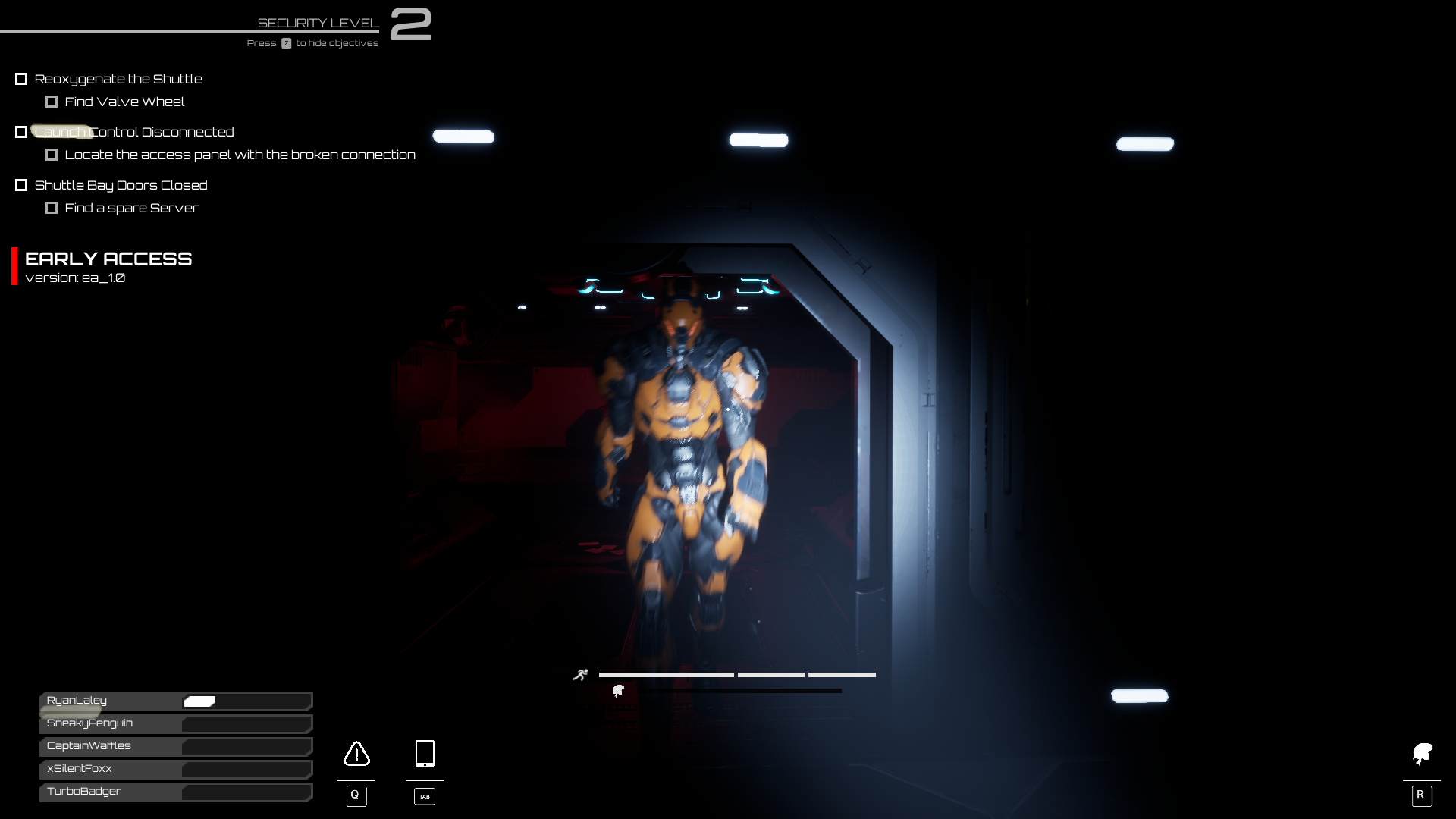
    An accusation in Mimic can send a machine after another player. The game’s roaming android accepts votes that direct its pursuit, making a claim about someone’s identity a possible threat to that person’s survival. Ryan Laley Games’ official launch materials via its PR agency.

    An orange and dark gray android stands in a shadowed doorway, with shuttle repair objectives visible on screen.
    Mimic Early Access screenshot. Courtesy of Ryan Laley Games and UberStrategist. Image source.

    Ryan Laley Games sets the encounter aboard the Icarus, a starship whose automated systems respond to a quarantine breach by steering it toward a star. The crew must repair systems needed to escape while an alien capable of taking human form hides among them.

    A secret corporate agent complicates the division between crew and creature. That role seeks to preserve the mimic for research. A player may therefore obstruct the crew without being the alien they are trying to identify. Developer’s description of roles and match systems.

    The android can be manipulated by those competing interests. With no weapons available to the survivors, directing its attention becomes part of both cooperation and deception. Proximity voice chat gives the players a way to coordinate their work and dispute one another’s accounts.

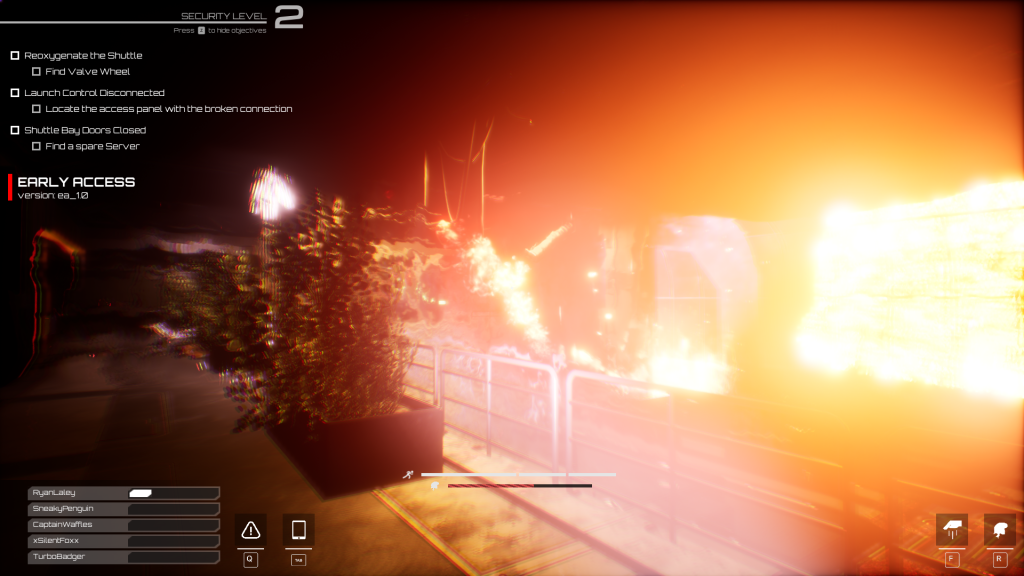
    Bright orange light floods a metal walkway beside a potted plant, with the game’s objectives and status displays visible.
    Mimic Early Access screenshot. Courtesy of Ryan Laley Games and UberStrategist. Image source.

    Death also changes a player’s role. The developer’s launch materials describe an Omen form that can interfere with the environment after a player dies. Mimic entered PC Early Access in October 2026, with its systems still subject to development. Ryan Laley Games’ official launch materials via its PR agency. Developer’s description of roles and match systems.

  • Project Songbird makes an unfinished album the reason for its journey into the woods

    Project Songbird makes an unfinished album the reason for its journey into the woods

    Dakota’s recording retreat connects the game’s isolated setting with a soundtrack by members of Auric Echoes.

    Dakota goes to the Appalachian forest to record an album. Writer’s block has interrupted the musician’s work, and a remote cabin offers a place to begin again. In Project Songbird, that practical reason for isolation puts the protagonist inside the horror story’s setting. FYRE Games’ story and production details.

    Conner Rush and FYRE Games describe a first-person narrative that moves between natural environments and dreamlike locations. Exploration shares the game with ranged and close combat, including weapons that can be upgraded.

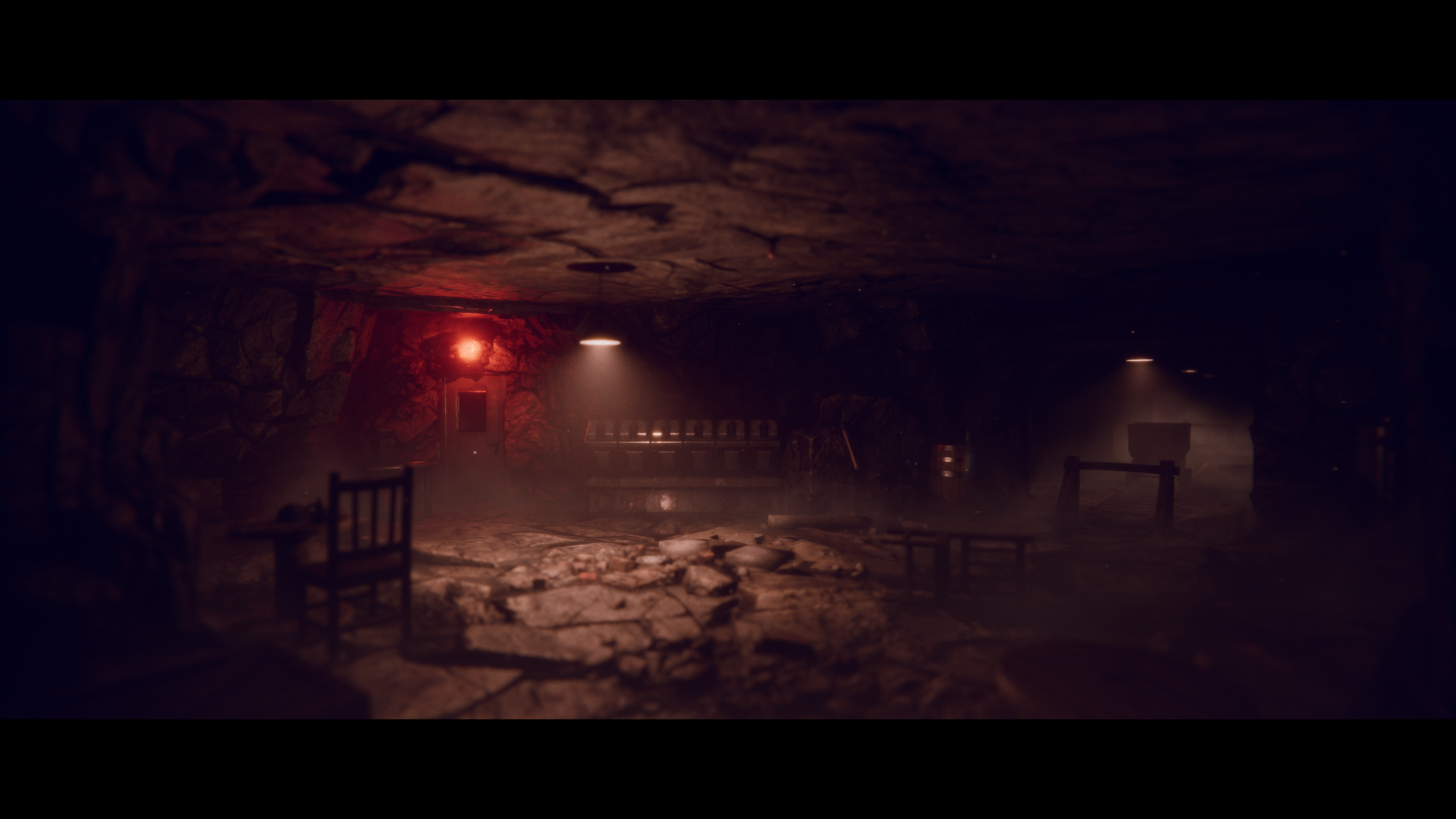
    A dark underground room with rough stone walls, chairs, barrels, and a red light.
    An environment from Project Songbird. Screenshot supplied in Selecta Play’s press kit; game by FYRE Games. Image source.

    Music is also part of the production beyond Dakota’s fictional work. Jacob Noska and Jonah Henthorne, members of Auric Echoes, composed and performed the soundtrack. The credited voice cast includes Valerie Rose Lohman, Jonah Scott, and Aleks Le.

    Selecta Play released a physical PlayStation 5 edition on October 23, 2026, following the game’s digital release. The boxed format carries the same central premise: a recording retreat becomes an encounter with a presence in the woods. Selecta Play’s physical-edition details.

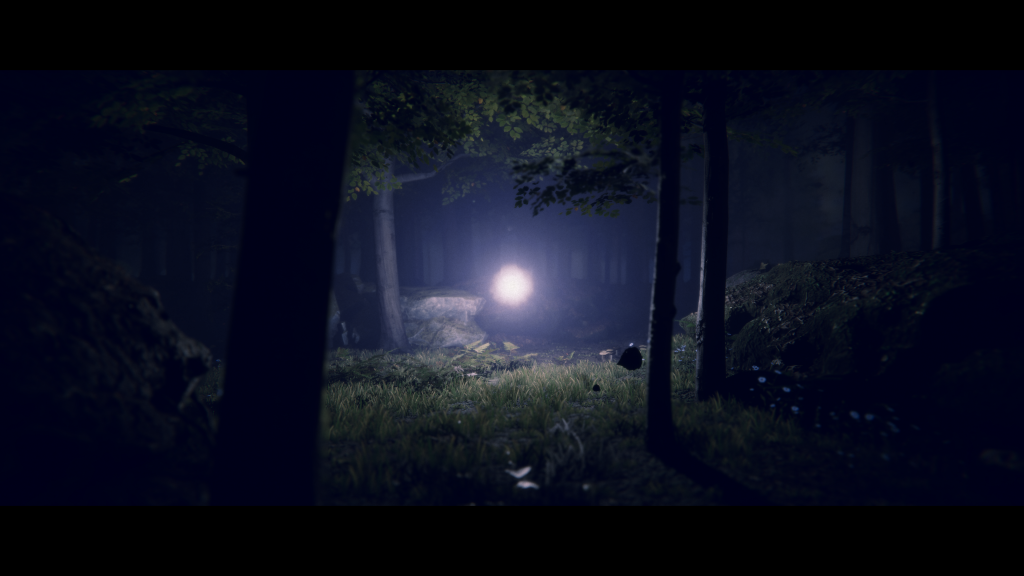
    A pale light shines among dark trees, rocks, and forest foliage.
    An environment from Project Songbird. Screenshot supplied in Selecta Play’s press kit; game by FYRE Games. Image source.

    The developer identifies suicide and animal death among the story’s fictional content. FYRE Games’ story and production details. Selecta Play’s physical-edition details.

  • Demon Spore makes the laboratory’s doors and equipment part of the escape route

    Demon Spore makes the laboratory’s doors and equipment part of the escape route

    A spreading organism changes the available space while scientists repurpose the facility around it.

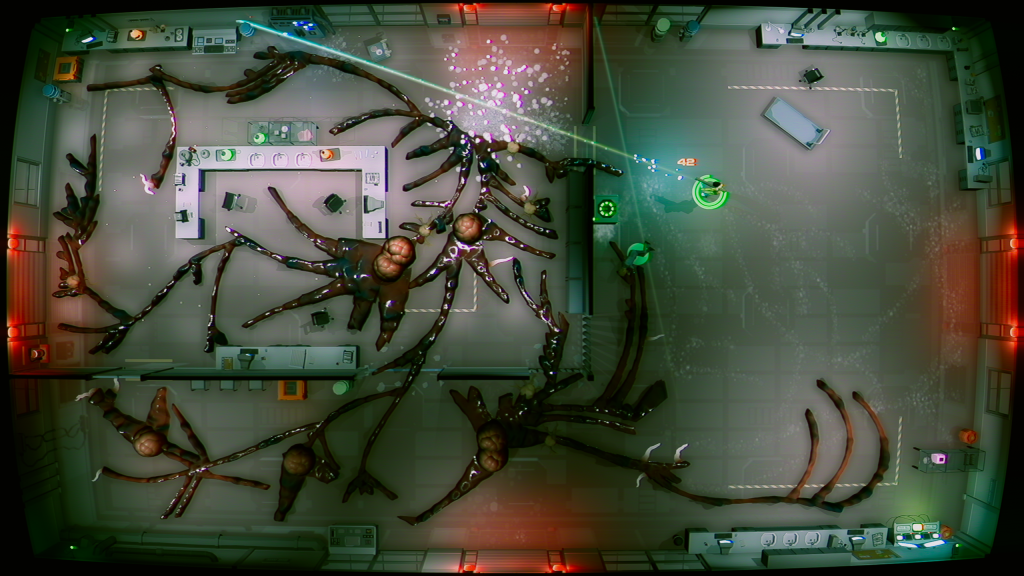
    The rooms in Demon Spore contain more than supplies. Laboratory systems can close doors, block a growing organism, and open routes through a facility whose floor plan changes between attempts. DinoBoss’s official gameplay description.

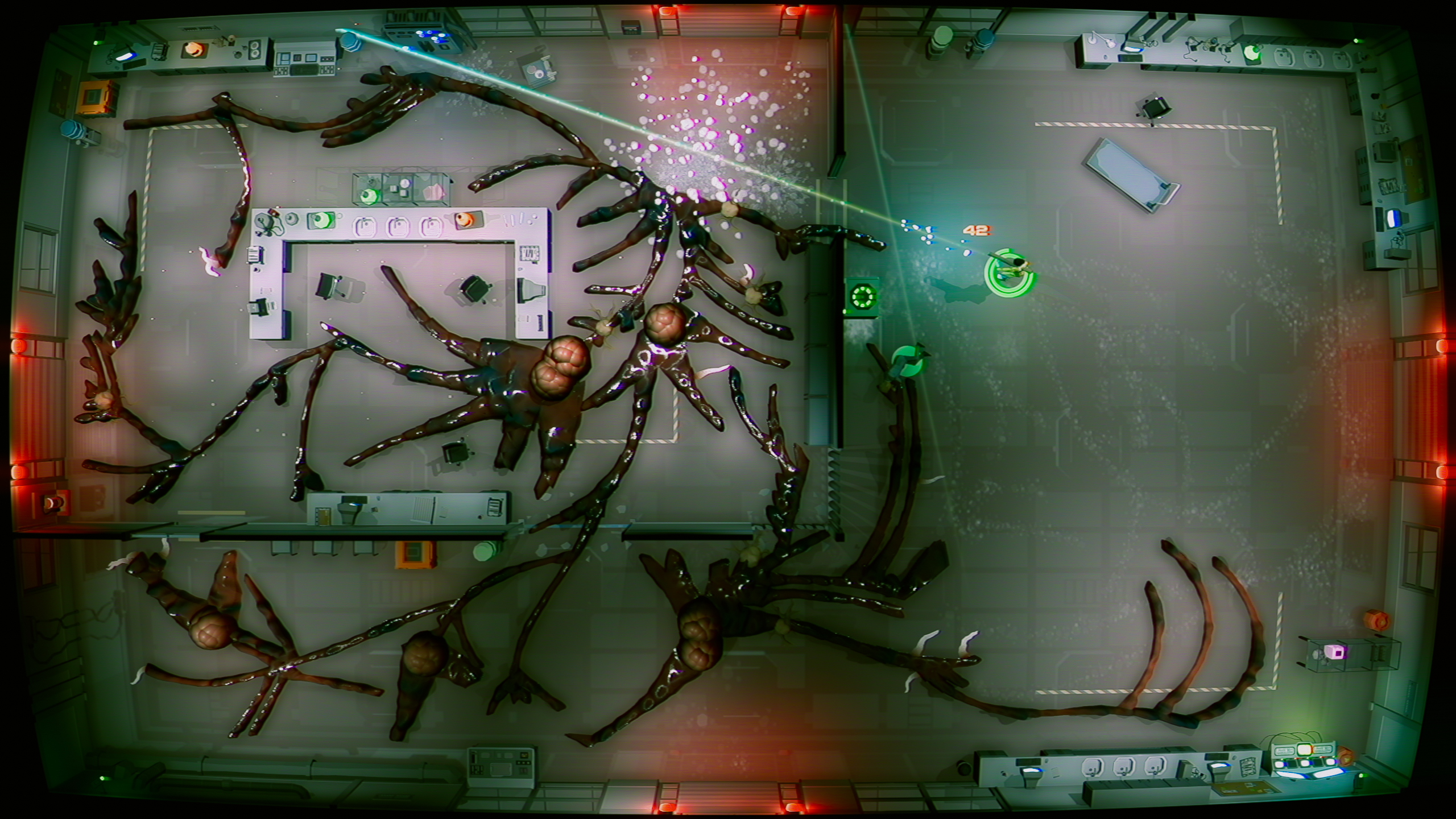
    An overhead game view of branching growths around laboratory benches as a player fires across the room.
    Demon Spore gameplay. Screenshot supplied in DinoBoss’s media kit. Image source.

    DinoBoss’s game begins with a fictional livestock experiment disrupted by outside interference. The result spreads through the laboratory as a mass of flesh and tentacles. A scientist trying to escape can repurpose equipment to slow its expansion, create diversions, and assemble weapons.

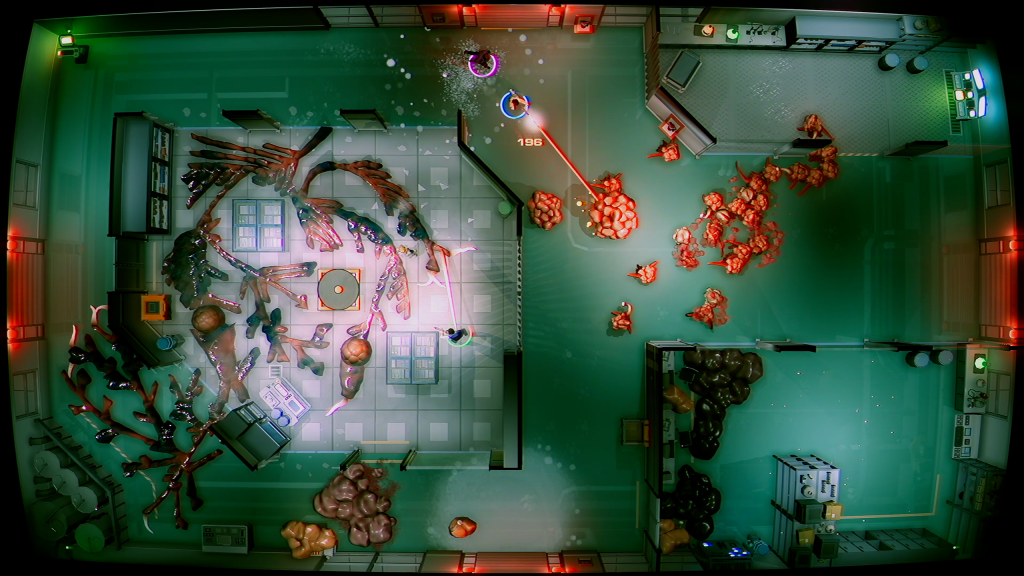
    Players with colored markers confront spreading growths and creatures in a laboratory.
    Demon Spore gameplay. Screenshot supplied in DinoBoss’s media kit. Image source.

    Rescuing another scientist also affects the available options. The developer describes rescues that unlock equipment, while warning that some survivors may carry dormant growth. Leaving a room therefore involves decisions about people and resources as well as the route ahead.

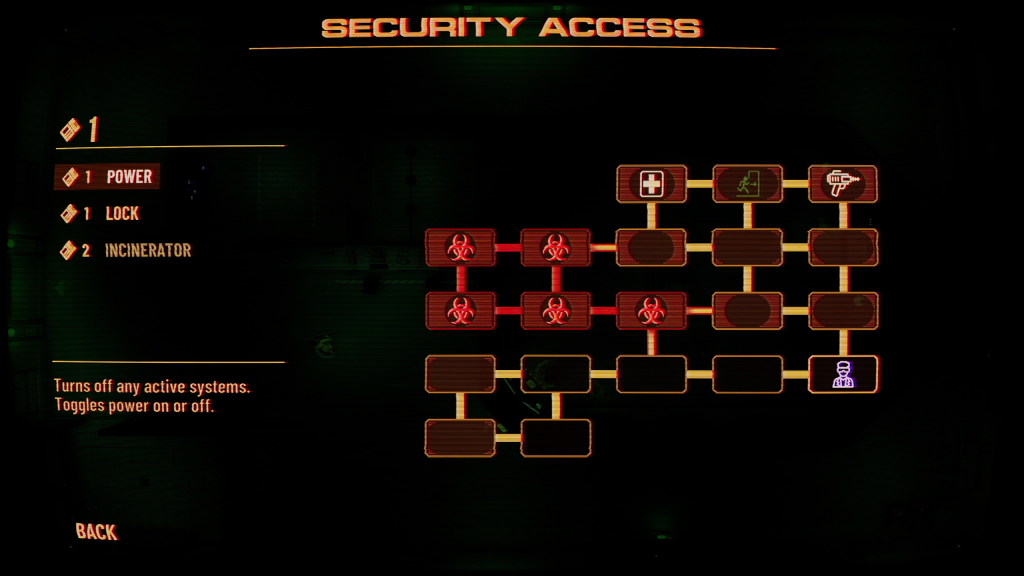
    Demon Spore’s Security Access screen shows connected rooms and options for power, locks, and an incinerator.
    Demon Spore Security Access screen. Screenshot supplied in DinoBoss’s media kit. Image source.

    Cooperative play supports up to four participants, with local and online options listed on Steam. The changing layout prevents a previous route from serving as a permanent map; the recurring elements are the organism’s growth and the laboratory’s usable systems.

    The current official listing gives a first-quarter 2027 release window and offers a separate demo. DinoBoss’s official gameplay description.

  • SCP: Project Pneuma gives watching and listening different consequences for each anomaly

    Zatun’s game follows a researcher through a containment failure, with threats governed by different fictional rules.

    A single response does not cover every creature in SCP: Project Pneuma. Zatun describes SCP-173Z as a figure that moves when unobserved, while looking at SCP-096Z creates danger. SCP-939Z uses sound and deception in the forest, and SCP-239Z alters familiar surroundings. Zatun’s character and anomaly descriptions.

    Those differences belong to the game’s fictional anomaly system. The player controls Foundation researcher Alexander Kolchak after a containment breach, moving through abandoned facilities and other locations while trying to understand what occurred.

    Journals, recorded voices, and environmental clues supply pieces of that investigation. The Steam description names stealth and limited resources as central systems, including encounters that cannot be resolved by defeating the threat in combat. The developer’s current chapter and gameplay details.

    The current Early Access edition contains Chapter I, with Chapter II still being developed. Zatun describes the first chapter as a complete playable campaign within the larger unfinished project. That distinction separates the story available now from the additional locations and encounters the studio intends to build.

    The game’s investigation consequently concerns both the failure of containment and the rules of individual encounters: what the researcher sees or hears can matter differently depending on which anomaly is present. Zatun’s character and anomaly descriptions. The developer’s current chapter and gameplay details.

  • Wilderdark sends its field researcher after an island’s biology and a missing family expedition

    Dinosaurs, samples, and photographs connect the survival game’s scientific assignment to its personal mystery.

    The assignment in Wilderdark is to document an ecosystem. The organization sending the player to its island is pursuing immortality, while the researcher must gather samples and investigate earlier expeditions that vanished there. One of those expeditions was led by the protagonist’s parents. Team Junkfish’s game overview.

    That gives the investigation two kinds of evidence to seek: information about the island’s organisms and traces of the people who arrived before. Team Junkfish’s premise places both inside an environment where a mysterious ectoparasitic organism has altered dinosaurs and plant life.

    A crash landing limits the tools available at the start. Photography, environmental clues, and crafting form part of the exploration, while stealth allows the researcher to move around the island’s predators. The creatures being studied are also dangers that complicate the work.

    The developer identifies Wilderdark as a single-player first-person survival horror game for Steam. Its expedition joins an employer’s biological objective with a family disappearance, leaving the player to investigate a place that has already defeated previous attempts to understand it. Team Junkfish’s game overview.

  • Wheel of Torture turns game-show winnings into more time and altered odds

    Halftone’s fictional contest uses upgrades, trinkets, and stickers while its participant tries to survive an animatronic host.

    Money won in Wheel of Torture goes back into the contest. Its incremental system allows rewards from a spin to fund upgrades, including larger prizes, multipliers, and increases to the time limit. Halftone’s description of the game’s systems.

    The setting is an abandoned television game-show set styled after the 1970s. An animatronic host oversees the fictional ordeal, and the participant is trying to earn freedom before time or fingers run out. The currency belongs to that game scenario; the developer’s description concerns a horror videogame rather than a real-money betting service.

    As play progresses, additional systems modify the original wheel-and-reward loop. Halftone names trinkets, a hangman subgame, and stickers that change the wheel among the mechanics that become available. A spin is therefore one part of a system that can be altered with the proceeds from earlier turns.

    Halftone lists Windows through Steam and Steam Deck among its intended platforms. Its October 30 materials do not supply a release date. The described structure centers on repeatedly changing the terms of a contest whose host remains a threat. Halftone’s description of the game’s systems.

  • The Mound makes returning with treasure part of surviving its distorted jungle

    ACE Team’s expedition game combines a captain’s contract, an ox cart, and unreliable perceptions.

    The expedition in The Mound: Omen of Cthulhu has to accomplish more than keeping its explorers alive. A captain expects valuable objects to return with them, making the contents of the group’s cart part of the mission. Nacon’s explanation of the expedition loop.

    Preparation takes place aboard a galleon. Players select a contract and assemble weapons and equipment before entering the jungle. They then escort an ox cart through the environment, collecting resources, relics, and other treasure along the route.

    The return journey creates a recurring decision: bring back what is already collected or continue into danger for a larger haul. Nacon’s description makes this a contract-driven cycle, with each completed expedition followed by assessment and preparation for another.

    ACE Team adds supernatural interference to that practical task. The jungle can distort what the explorers perceive, so cooperation involves interpreting an environment that does not remain dependable. This is a fictional horror mechanic, not a description of a real condition. Nacon’s game description and player modes.

    The game supports up to four players in cooperative play and also includes a single-player mode. Its shared objective links the group’s movement, supplies, and cargo: returning alive and returning with the required treasure are related parts of the same expedition. Nacon’s explanation of the expedition loop. Nacon’s game description and player modes.