Author: Sericant Dark Team

  • Vinegar Syndrome’s Manhunter separates its theatrical restoration from the longer director’s cut

    The three-disc edition presents the 1986 film through two different source and format combinations.

    The two versions of Manhunter in Vinegar Syndrome’s edition do not share the same restoration. The theatrical cut receives the new 4K presentation, while the longer Legacy Director’s Cut uses an HD reconstruction supplied by MGM. Vinegar Syndrome’s restoration and edition specifications.

    That distinction matters when identifying what is on each disc. The 120-minute theatrical version appears on UHD and Blu-ray; the 124-minute alternate cut appears on Blu-ray only. Vinegar Syndrome says its restoration was scanned from a 35mm interpositive and presents the UHD in Dolby Vision.

    Michael Mann’s 1986 film adapts Thomas Harris’s Red Dragon. William Petersen plays Will Graham, a former FBI profiler asked to return for a murder investigation. His search brings him back into contact with Hannibal Lecktor, played by Brian Cox.

    The limited edition includes an 80-page book and packaging designed by Adam Maida. Those physical additions sit alongside the central distinction between the two cuts: this set contains a new restoration of the theatrical presentation and a separate, longer reconstruction. Vinegar Syndrome’s restoration and edition specifications.
  • Hellraiser Legacy: Pinhead makes the Hell Priest defend the order his enemies want to destroy

    BOOM!’s collection gathers a six-issue story in which the Cenobites’ system itself comes under attack.

    Pinhead’s task in Hellraiser Legacy: Pinhead is to preserve a system. The Aggregate, an ancient enemy of Hell, returns to disrupt the order maintained by the Cenobites. An ambush leaves the Hell Priest as the figure able to oppose it. BOOM!’s synopsis, contents, and creator credits via its distributor.

    The publisher’s synopsis links that order to more than Hell alone: Heaven and Earth also depend on its rules. The conflict consequently places Pinhead in a defensive role, with the collapse of that arrangement providing the threat around him.

    The collection reprints Pinhead #1–6, the character’s solo comics series that began in 1993. Clive Barker receives the creator credit; D.G. Chichester and Erik Saltzgaber are the credited writers, with Dario Carrasco among the artists.

    BOOM! lists the 192-page paperback and ebook for January 12, 2027. Its organizing story is a battle over the continued existence of the Cenobites’ order, seen through a character who ordinarily represents its enforcement. BOOM!’s synopsis, contents, and creator credits via its distributor.

  • Death Stranding Isolations begins after Sam reconnects North America and follows people outside his journey

    The animated series uses the Chiral Network’s aftermath as the setting for a separate story.

    Reconnecting North America is already part of the past when Death Stranding Isolations begins. Kojima Productions places the animated series immediately after Sam establishes the Chiral Network, then shifts attention to people whose lives take different paths from his. Kojima Productions’ official series synopsis and production credits.

    One central character is a girl who has grown accustomed to living alone after the catastrophe. New encounters draw her into a world she has chosen to avoid. The studio also identifies a soldier caught in recurring conflict, an angry boy, and an older man with his own way of connecting people.

    The premise lets the series examine what follows reconnection through a new cast. It is a separate story within the games’ world, rather than an animated retelling of Sam’s route.

    E&H production is creating the hand-drawn 2D animation. Takayuki Sano directs, Tow Ubukata handles series composition and screenplay, and Ilya Kuvshinov supplies original character designs. Hideo Kojima is executive producer. The studio lists a 2027 release on Disney+ or other Disney services. Kojima Productions’ official series synopsis and production credits.

  • Sweetpea’s copycat threatens Rhiannon’s secrecy while her ordinary life becomes more crowded

    The second season places another killer alongside changes at work, at home, and in Rhiannon’s relationships.

    A copycat killer creates an exposure problem for Rhiannon Lewis in Sweetpea’s second season. Someone else’s violence threatens to reveal her own, adding a danger she cannot manage simply by keeping quiet about what she has done. Sky’s second-season premise and character details.

    Sky’s season synopsis places that threat among several changes in her public life. Rhiannon has a promotion, a new romantic interest, and a sister preparing to sell the family home. Marina remains on her trail. The story puts these overlapping pressures around the same character, played again by Ella Purnell.

    The new relationships have named roles in that setup. Rish Shah plays Gabriel, Rhiannon’s romantic interest. Taj Atwal plays Freya, her new boss at the Carnsham Gazette. Jenny Walser’s Daisy becomes a new friend, while Tamsin Greig plays Liv, AJ’s mother.

    The series draws on C.J. Skuse’s novel and is produced by See-Saw Films and fanboy with Sky Studios. STARZ currently lists the second season for early 2027 in the United States. Sky’s second-season premise and character details. STARZ’s current US release window.

  • Return of the Living Dead starts its outbreak with a warehouse mistake and a failed containment boundary

    Titan’s John A. Russo edition follows an accidental release that carries the threat beyond a workplace.

    The danger in Return of the Living Dead begins with something stored at work. Foreman Frank shows new employee Freddy a military experiment kept in a supply warehouse. An accidental gas release turns that demonstration into an outbreak. Titan Books’ edition synopsis and specifications.

    Titan’s synopsis follows the consequences into Louisville, Kentucky, as the gas reanimates corpses. Frank and Freddy have to contend with a problem that has escaped the building where it started. Their boss and a mortician become part of the struggle to survive.

    The edition is credited to John A. Russo, whose work in the broader Living Dead history includes co-writing Night of the Living Dead and adapting it into a novel. Titan’s author biography also records his involvement in the earlier Return screenplay and book before Dan O’Bannon’s 1985 film. Titan Books’ John A. Russo biography.

    Titan lists this 208-page hardcover for March 30, 2027, in both the US and UK. The catalog identifies it as Return of the Living Dead: The Official Novelization, ISBN 9781807590246. Titan Books’ edition synopsis and specifications.

  • Project Songbird makes an unfinished album the reason for its journey into the woods

    Project Songbird makes an unfinished album the reason for its journey into the woods

    Dakota’s recording retreat connects the game’s isolated setting with a soundtrack by members of Auric Echoes.

    Dakota goes to the Appalachian forest to record an album. Writer’s block has interrupted the musician’s work, and a remote cabin offers a place to begin again. In Project Songbird, that practical reason for isolation puts the protagonist inside the horror story’s setting. FYRE Games’ story and production details.

    Conner Rush and FYRE Games describe a first-person narrative that moves between natural environments and dreamlike locations. Exploration shares the game with ranged and close combat, including weapons that can be upgraded.

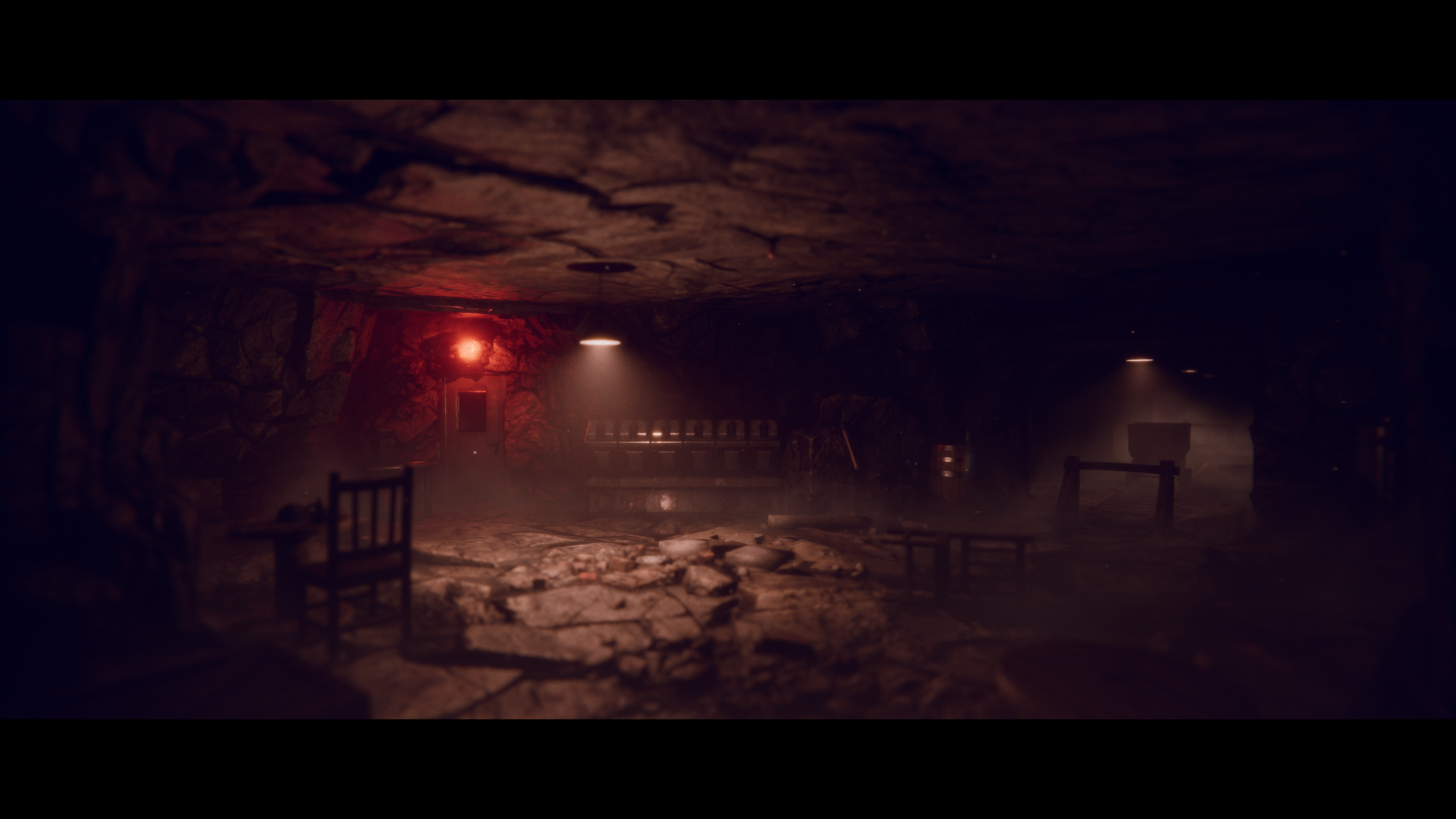
    A dark underground room with rough stone walls, chairs, barrels, and a red light.
    An environment from Project Songbird. Screenshot supplied in Selecta Play’s press kit; game by FYRE Games. Image source.

    Music is also part of the production beyond Dakota’s fictional work. Jacob Noska and Jonah Henthorne, members of Auric Echoes, composed and performed the soundtrack. The credited voice cast includes Valerie Rose Lohman, Jonah Scott, and Aleks Le.

    Selecta Play released a physical PlayStation 5 edition on October 23, 2026, following the game’s digital release. The boxed format carries the same central premise: a recording retreat becomes an encounter with a presence in the woods. Selecta Play’s physical-edition details.

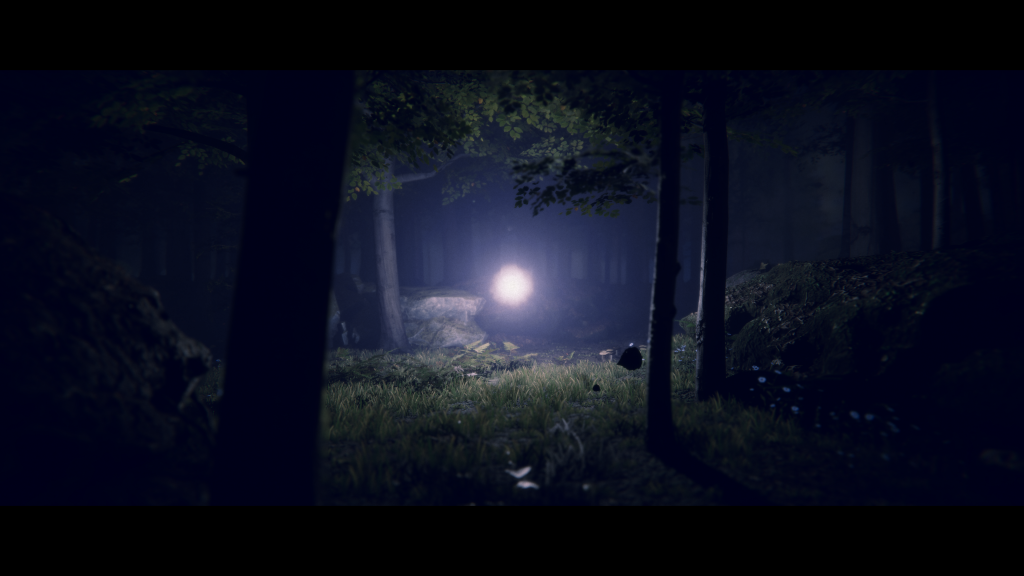
    A pale light shines among dark trees, rocks, and forest foliage.
    An environment from Project Songbird. Screenshot supplied in Selecta Play’s press kit; game by FYRE Games. Image source.

    The developer identifies suicide and animal death among the story’s fictional content. FYRE Games’ story and production details. Selecta Play’s physical-edition details.

  • Demon Spore makes the laboratory’s doors and equipment part of the escape route

    Demon Spore makes the laboratory’s doors and equipment part of the escape route

    A spreading organism changes the available space while scientists repurpose the facility around it.

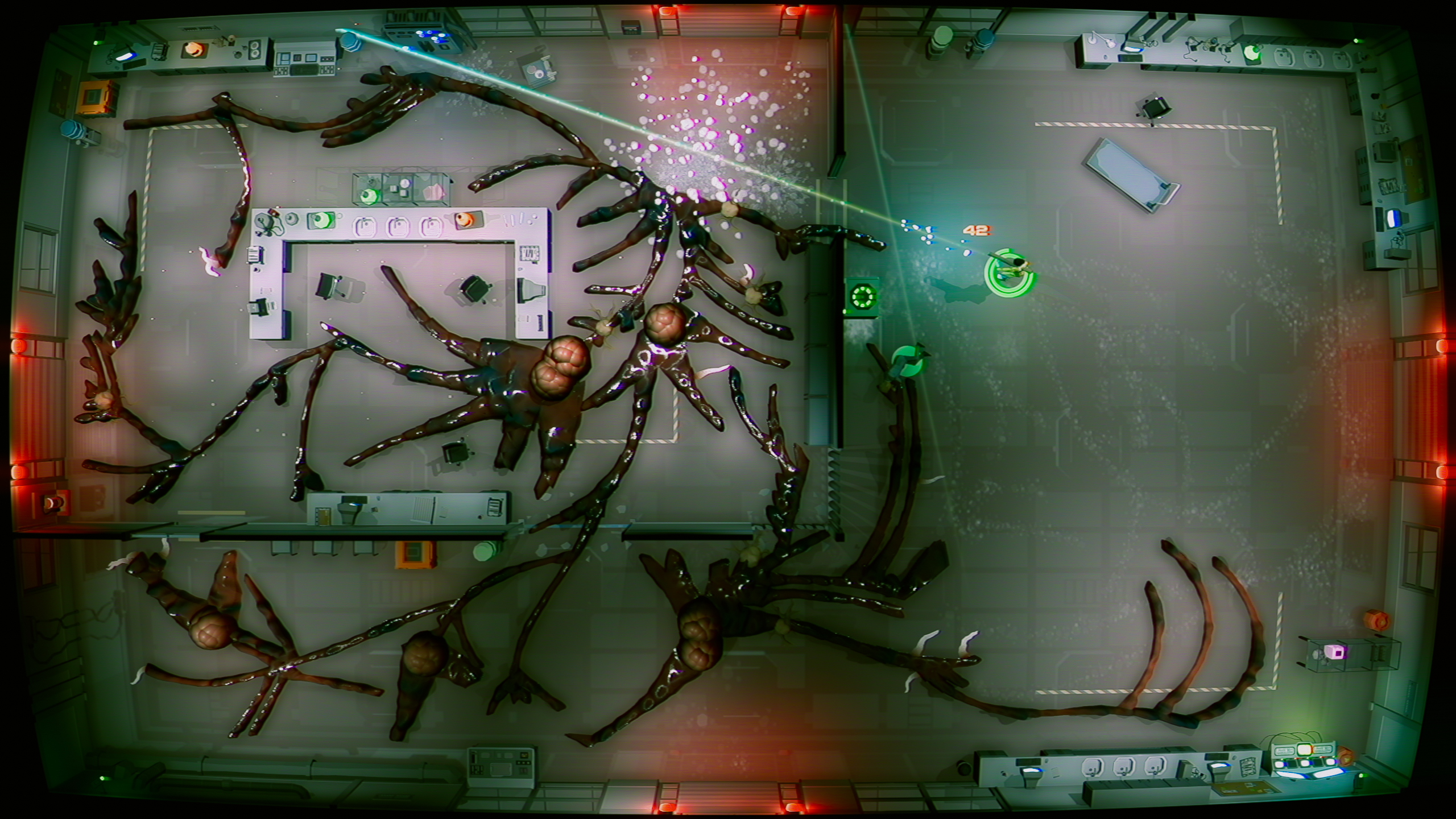
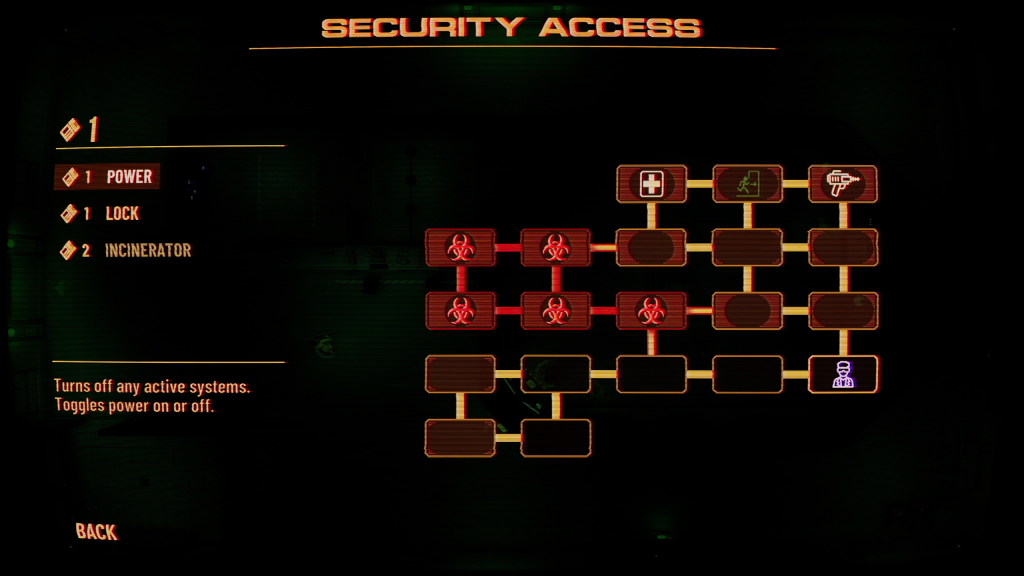
    The rooms in Demon Spore contain more than supplies. Laboratory systems can close doors, block a growing organism, and open routes through a facility whose floor plan changes between attempts. DinoBoss’s official gameplay description.

    An overhead game view of branching growths around laboratory benches as a player fires across the room.
    Demon Spore gameplay. Screenshot supplied in DinoBoss’s media kit. Image source.

    DinoBoss’s game begins with a fictional livestock experiment disrupted by outside interference. The result spreads through the laboratory as a mass of flesh and tentacles. A scientist trying to escape can repurpose equipment to slow its expansion, create diversions, and assemble weapons.

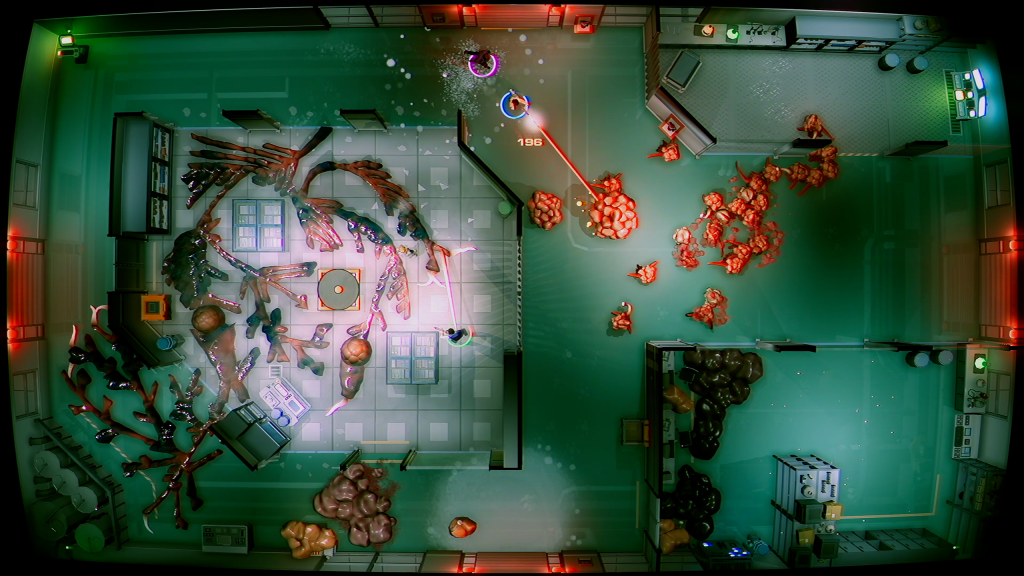
    Players with colored markers confront spreading growths and creatures in a laboratory.
    Demon Spore gameplay. Screenshot supplied in DinoBoss’s media kit. Image source.

    Rescuing another scientist also affects the available options. The developer describes rescues that unlock equipment, while warning that some survivors may carry dormant growth. Leaving a room therefore involves decisions about people and resources as well as the route ahead.

    Demon Spore’s Security Access screen shows connected rooms and options for power, locks, and an incinerator.
    Demon Spore Security Access screen. Screenshot supplied in DinoBoss’s media kit. Image source.

    Cooperative play supports up to four participants, with local and online options listed on Steam. The changing layout prevents a previous route from serving as a permanent map; the recurring elements are the organism’s growth and the laboratory’s usable systems.

    The current official listing gives a first-quarter 2027 release window and offers a separate demo. DinoBoss’s official gameplay description.

  • SCP: Project Pneuma gives watching and listening different consequences for each anomaly

    Zatun’s game follows a researcher through a containment failure, with threats governed by different fictional rules.

    A single response does not cover every creature in SCP: Project Pneuma. Zatun describes SCP-173Z as a figure that moves when unobserved, while looking at SCP-096Z creates danger. SCP-939Z uses sound and deception in the forest, and SCP-239Z alters familiar surroundings. Zatun’s character and anomaly descriptions.

    Those differences belong to the game’s fictional anomaly system. The player controls Foundation researcher Alexander Kolchak after a containment breach, moving through abandoned facilities and other locations while trying to understand what occurred.

    Journals, recorded voices, and environmental clues supply pieces of that investigation. The Steam description names stealth and limited resources as central systems, including encounters that cannot be resolved by defeating the threat in combat. The developer’s current chapter and gameplay details.

    The current Early Access edition contains Chapter I, with Chapter II still being developed. Zatun describes the first chapter as a complete playable campaign within the larger unfinished project. That distinction separates the story available now from the additional locations and encounters the studio intends to build.

    The game’s investigation consequently concerns both the failure of containment and the rules of individual encounters: what the researcher sees or hears can matter differently depending on which anomaly is present. Zatun’s character and anomaly descriptions. The developer’s current chapter and gameplay details.

  • Wilderdark sends its field researcher after an island’s biology and a missing family expedition

    Dinosaurs, samples, and photographs connect the survival game’s scientific assignment to its personal mystery.

    The assignment in Wilderdark is to document an ecosystem. The organization sending the player to its island is pursuing immortality, while the researcher must gather samples and investigate earlier expeditions that vanished there. One of those expeditions was led by the protagonist’s parents. Team Junkfish’s game overview.

    That gives the investigation two kinds of evidence to seek: information about the island’s organisms and traces of the people who arrived before. Team Junkfish’s premise places both inside an environment where a mysterious ectoparasitic organism has altered dinosaurs and plant life.

    A crash landing limits the tools available at the start. Photography, environmental clues, and crafting form part of the exploration, while stealth allows the researcher to move around the island’s predators. The creatures being studied are also dangers that complicate the work.

    The developer identifies Wilderdark as a single-player first-person survival horror game for Steam. Its expedition joins an employer’s biological objective with a family disappearance, leaving the player to investigate a place that has already defeated previous attempts to understand it. Team Junkfish’s game overview.

  • Wheel of Torture turns game-show winnings into more time and altered odds

    Halftone’s fictional contest uses upgrades, trinkets, and stickers while its participant tries to survive an animatronic host.

    Money won in Wheel of Torture goes back into the contest. Its incremental system allows rewards from a spin to fund upgrades, including larger prizes, multipliers, and increases to the time limit. Halftone’s description of the game’s systems.

    The setting is an abandoned television game-show set styled after the 1970s. An animatronic host oversees the fictional ordeal, and the participant is trying to earn freedom before time or fingers run out. The currency belongs to that game scenario; the developer’s description concerns a horror videogame rather than a real-money betting service.

    As play progresses, additional systems modify the original wheel-and-reward loop. Halftone names trinkets, a hangman subgame, and stickers that change the wheel among the mechanics that become available. A spin is therefore one part of a system that can be altered with the proceeds from earlier turns.

    Halftone lists Windows through Steam and Steam Deck among its intended platforms. Its October 30 materials do not supply a release date. The described structure centers on repeatedly changing the terms of a contest whose host remains a threat. Halftone’s description of the game’s systems.