Robin Carolan’s soundtrack combines physical objects, strings, and Ethel Cain’s Middle English vocals.
Some of the percussion in Werwulf began as objects associated with farm work. Sacred Bones’ production notes describe axes, cleavers, and scythes sounded against wood and bone for Robin Carolan’s score to Robert Eggers’s film. Bells and clay vessels also supplied material for drones. Sacred Bones’ soundtrack production notes.
Other sounds started with recognizable instruments and changed in the recording process. Carolan used hurdy-gurdies and a cymbalum, while recordings of a string quintet underwent electronic manipulation. The production therefore combines performed acoustic material with transformed recordings.
Contributors include violinist Daniel Pioro, string player Laura Cannell, Foals drummer Jack Bevan on folk percussion, and vocalist Antonina Nowacka. Ethel Cain performs the original song Wynter Waxeth in Middle English. Sacred Bones lists the soundtrack for January 29, 2027.
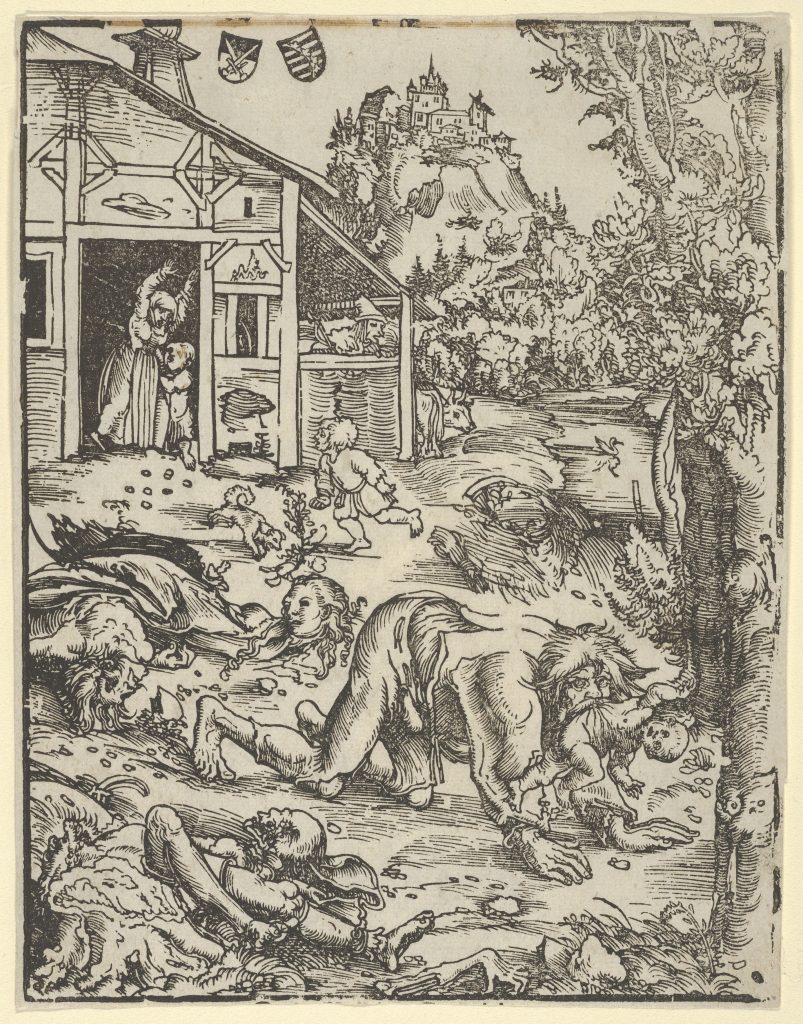
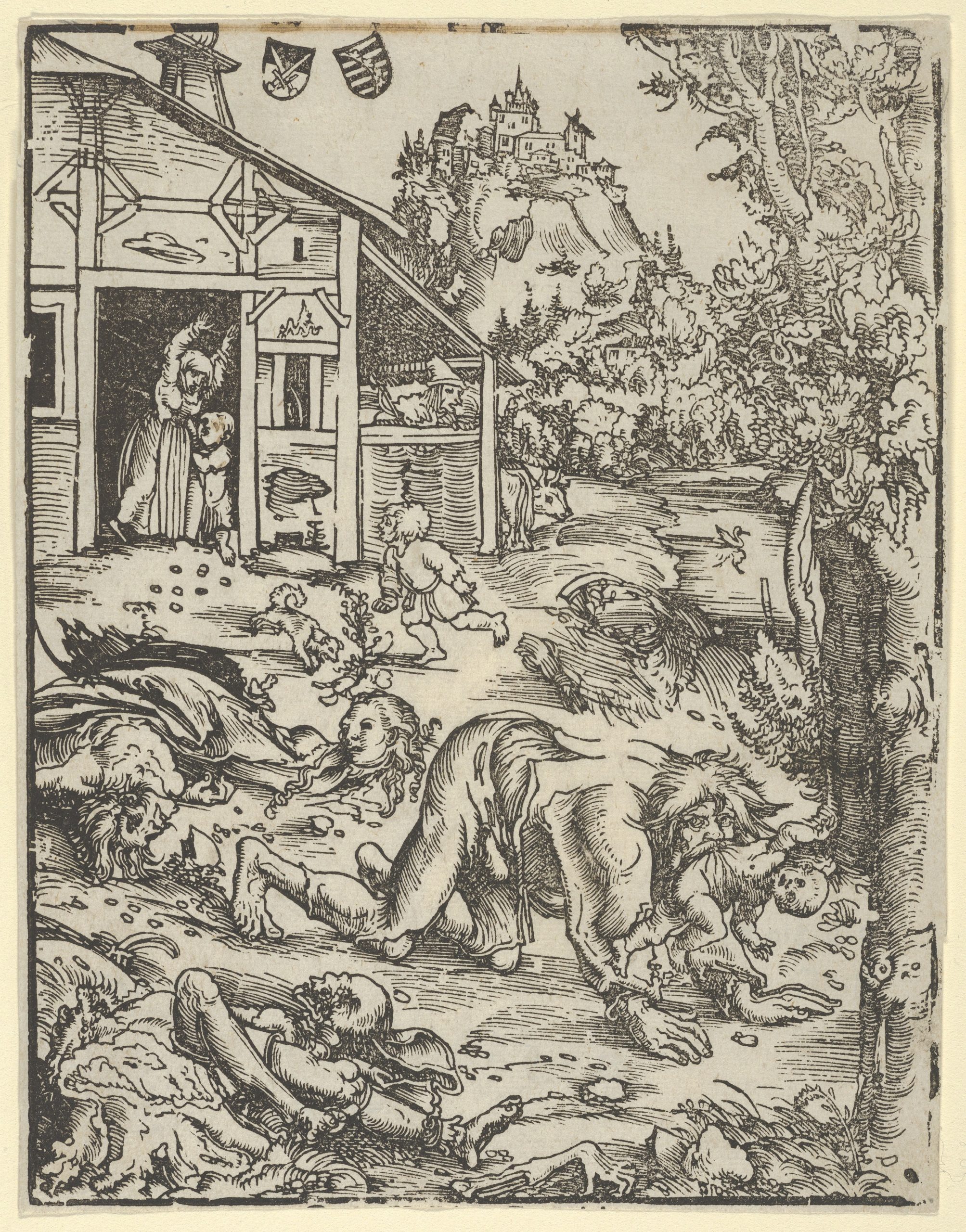
The label also identifies a visual reference: Lucas Cranach the Elder’s The Werewolf or the Cannibal. In the woodcut, the attacking figure remains visibly human as it moves on all fours among bodies. The Met holds an impression and makes its image available as public domain. It offers a view of one named artistic reference behind the music, rather than an image from the film. The Met’s record for Cranach’s woodcut.